

The TV Scholar interview series brings real-life television scholars to my newsletter to discuss their journey to television studies, share nuggets of wisdom from their research, and obviously, chit-chat about television itself.
This time around I interviewed Dr. Stefania Marghitu, assistant professor in the department of Journalism and Creative Media at the University of Alabama. She published Teen TV in 2023, a fab book about the history and impact of YA television. In light of the Sterling Point of it all, I had to have her in the newsletter to discuss and catch up. It’s a bonus we’ve been Instagram friends for half a decade.
What are you watching lately?
I do love Furious. I saw Phillip Maciak just wrote something about it too. That feels like a crossover of sorts. I know what you said about like, yes everybody is tired of the true crimeness of it all, but it’s different! Jake Lacy is never playing a good guy again…I had forgotten Liz Meriwether created The Dropout and Dying for Sex. The cross-genre she does!
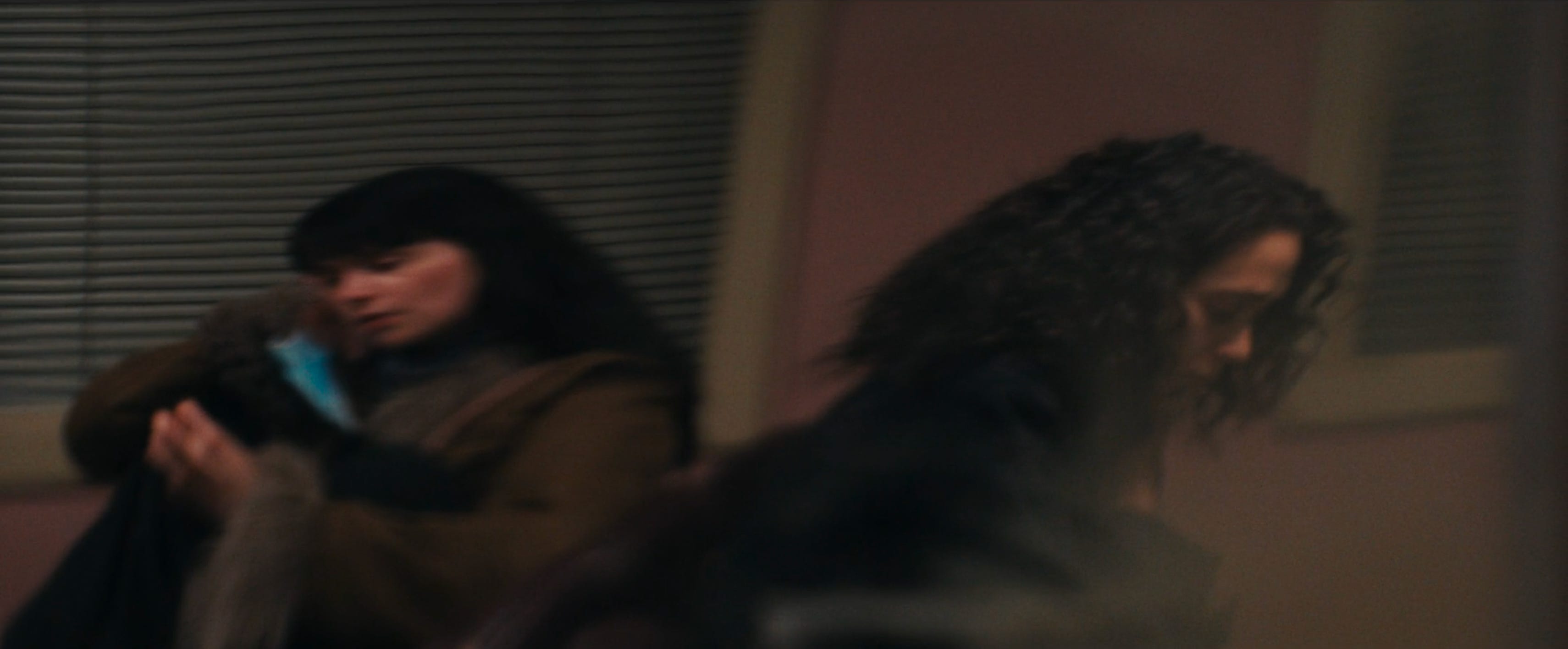
And then Sterling Point doesn’t have the stakes romance teen shows tend to have but it’s like we’re enjoying just hanging out with people again. A few of the critiques I’ve seen are about the stakes not being captivating or whatever, but the world-building, the set-up for these folks…I can hang out with these people long-term. Six seasons and we get a spin-off about the precocious tween.
I also really loved Maximum Pleasure Guaranteed. That felt Orphan Black-y and it seemed like it was going to expand toward the end. Widow’s Bay was good but took me a while to get into. Ugh Matthew Rhys and Keri Russell, we love it, whatever magazine cover they were on? My mom brain, I’m not as sharp as I used to be. Someone was once like, I know you’re a mom because you’re not a steel trap anymore about everybody’s names and things. I’m like who’s the guy…
You’re allowed to show up here just as you are! Can you give us a bit of a career update?
So I finished my PhD in Covid, and I had done an online adjuncting year where I taught at four different places in Southern California, all online. The year after, I got a visiting gig at Loyola University New Orleans. I got pregnant…Mardi Gras! I had a leave and applied really broadly because I was like, oh shit, I need to be a real person now. I had an interview when I was super pregnant and one when he was three months, and then there was a job at the University of Alabama where I’m at now. Both sets of our parents live three hours away. That’s where I’ve been, coming on four years. It’s kind of a return, like Eastbound & Down or Somebody Somewhere slash Ted Lasso…[Laughs.]
What is it like teaching to this current generation? Do they get it? Do they know what TV is?
Totally! So it is a film program and I teach broader media and film stuff. The A24 kids are definitely there. It’s so different [depending on where you are.] USC was a film school, the smaller liberal arts schools liked what TV was doing. And TV studies and cultural studies opens things up more than film studies. Even when I teach intro to film and media, I try to show them what TV methods can do, and leading into new and digital media, which they all want to talk about. I can be like, these methods, these theories, can still be applied. The way we talk about reality stars is the way we’re talking about influencers, basically something as simple as that, because they love reality TV. If I had a reality TV class, that would be next level.
I teach a more elective TV class and that’s my absolute favorite. We go through all the hits and they love it. They even learn what a showrunner is there. And they’re like, “Oh yeah, is that what Shonda Rhimes is?” I do think I get the students that want to take that TV elective, though it’s not necessarily required. That’s a sweet spot again, because they love television, so they’re in it.
Okay I do want to talk about Sterling Point since this is your area of expertise. What did you think about the last couple of episodes? I felt it got a little TOO soapy but I was still into it.

I wonder if Megan Park got notes or if there was this idea of stakes. That’s the thing. When I think of Heated Rivalry, which was week to week, the stakes were will they/won’t they, which we have here too. I do feel like we got the soapy plot here. If you were to describe Sterling Point to somebody: It’s a show, and she finds out this stuff about her dead mother…that’s a soap, right? But like you said, the middle was the best part. At that point, they’re in a lived-in show, and you just get to watch their day-to-day and hang out with them, which sometimes you only get in series of the past. Like New Girl had that. Girls had that.
It just felt like they were either notes or an internal thing to be like, okay, there needs to be stakes and cliffhangers. We need to rev it up. The thing is, Amazon teen series are never going to be what we want them to be. They’re still trying to appeal to this really broad audience. I just don’t see them being able to do whatever, although there seemed to be some freedom here. I wonder in the future how much we are going to have these soapy conventions, and where it’s more familial versus high school. And it’s not rooted in romance or yearning, that’s a shift away too, Sterling Point isn’t a steamy romance per se.
You published Teen TV back in 2021. If you were to publish a second edition, what would you add based on the last few years?
Well, Euphoria ending! Some people only like to write about series when they’ve ended so they can give it a holistic view. But I had been working on the book for so long, and they feel like different series, right? So the death knell of Euphoria. TV scholars always talk about jumping the gun being a tragic Hail Mary. Like, adding new characters, time jumps. Euphoria S3 hit all the marks of doomed failure in television broadly. People like to say it’s a new era, it’s so different, but we know the history, and we know that these things have traditionally tried and failed.
Then I think this Amazon moment where they’re doing this kind of CW/WB moment, the cross generational stuff where it’s like, this will be escapism for millennial moms. That was the big reveal of Heated Rivalry, straight married women love it! So this broad appeal, teen TV blockbusters like The Summer I Turned Pretty, all the money involved.
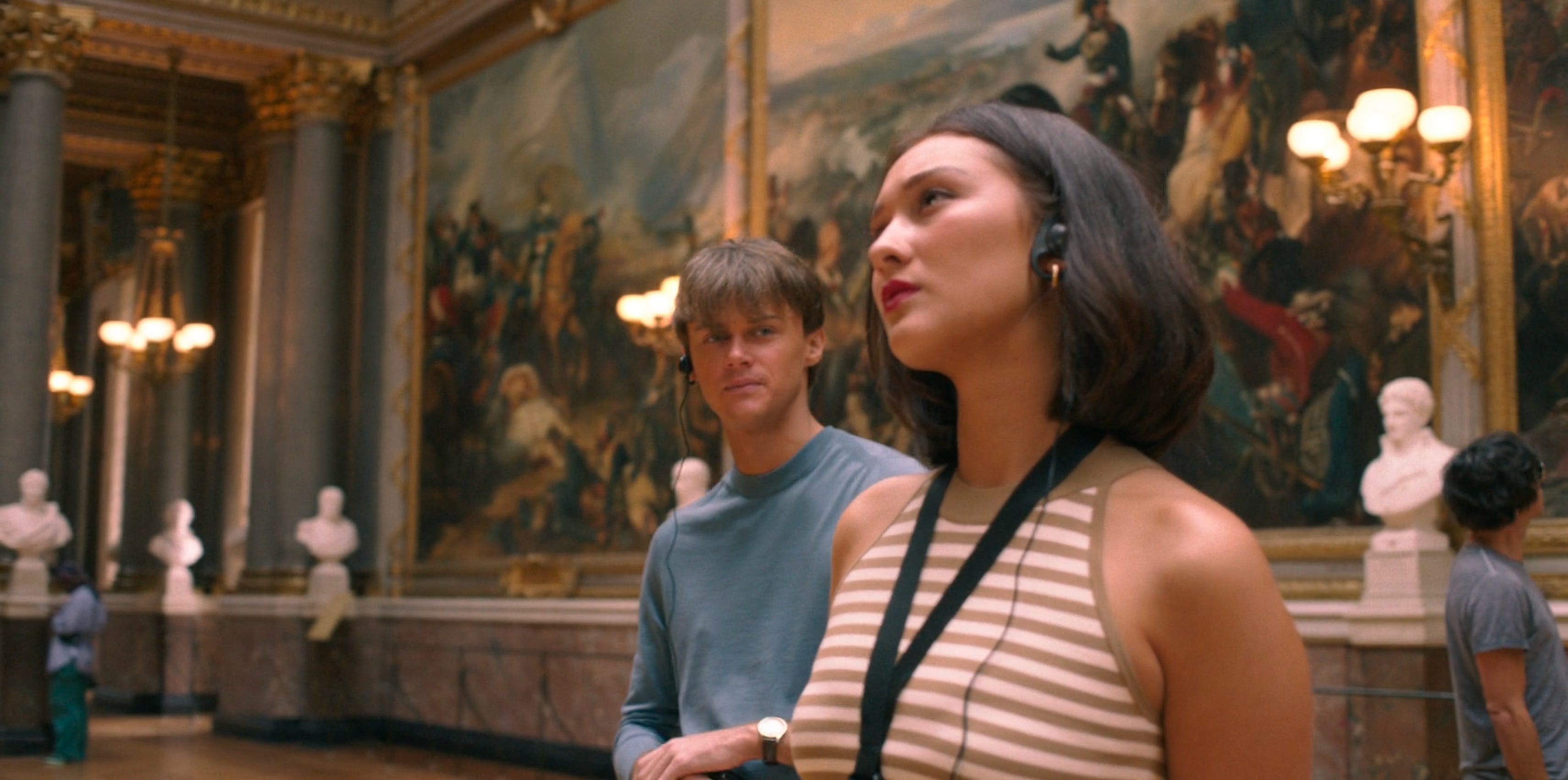
Everything is more transnational, more global, but we’re getting less I feel. There’s so much English-speaking content. When I first started teaching, random kids from Southern California were watching that Italian show Baby. K-Dramas still have their category, but in this moment it’s kind of a bummer, it feels a little less global. But we have the Canadian invasion, right? We’re having a Degrassi moment, because there is an earnestness and a lived-in thing with Sterling Point. That does almost feel like you see the Canadian influence versus the flashy American series.
You’re working on a book about women showrunners. Can you say more?
Yeah! So we start historically with U.S. radio to U.S. network. We get this fallow period during 50s-70s with traditional network TV. Yes we got feminist programming, but for me, when I first started getting into feminist media studies, it was always shocking to me that we never talked about how The Mary Tyler Moore Show and I Love Lucy didn’t really have women behind the scenes. How could we not talk about that? So the book starts with Gertrude Berg, we get into Diane English, the height of the second wave feminism of it all, and then we get into Shonda Rhimes.
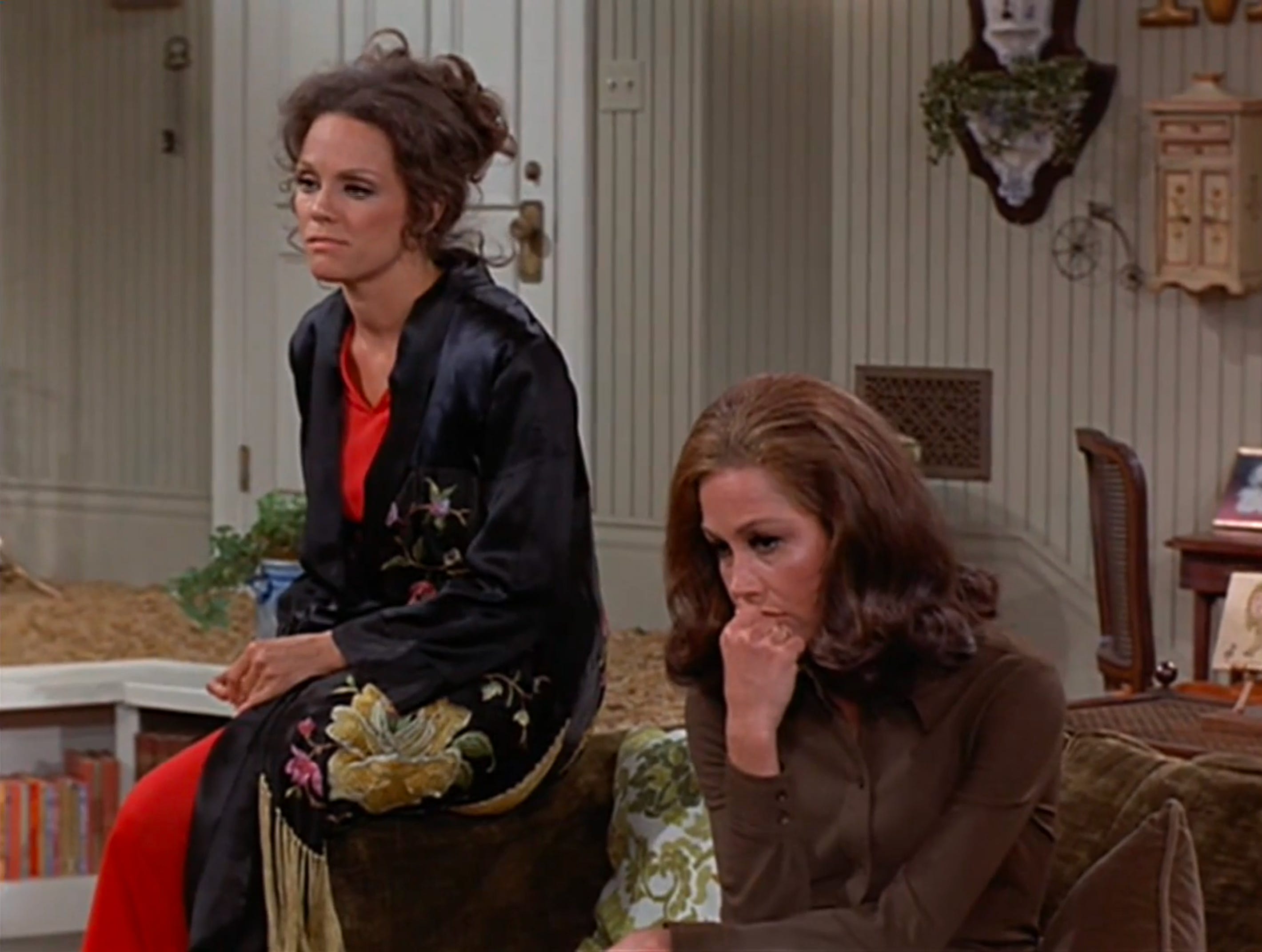
I have these case studies of different women showrunners, but it’s also tracing these moments in U.S. television history for what’s going on for women, what’s going on for marginalized folks, and what it looks like through that lens. Then I think I’m going to do a Lena Dunham chapter for the indie auteur HBO era. Then my very last chapter I want to do something on this transnational moment. We’re in like a post-post-whatever global streaming era. I want to talk about Sharon Horgan too, because to me she’s like franchise showrunner at this point. I want to compare her to someone like Michaela Coel, just to have two case studies of this moment.
I do find that when women and marginalized folks are allowed to get in are usually during moments of uncertainty in television, and executives are willing to take a bet because they don’t know what’s going to work.
I can’t wait to read it! Okay my last question, as always, what is your favourite TV-watching snack?
[Gasps.] I forgot you ask this. I did not prep for this. Does charcuterie count? A little bit of gabagool, a little bit of working on my night cheese.
"The Canadian invasion" hehehe