

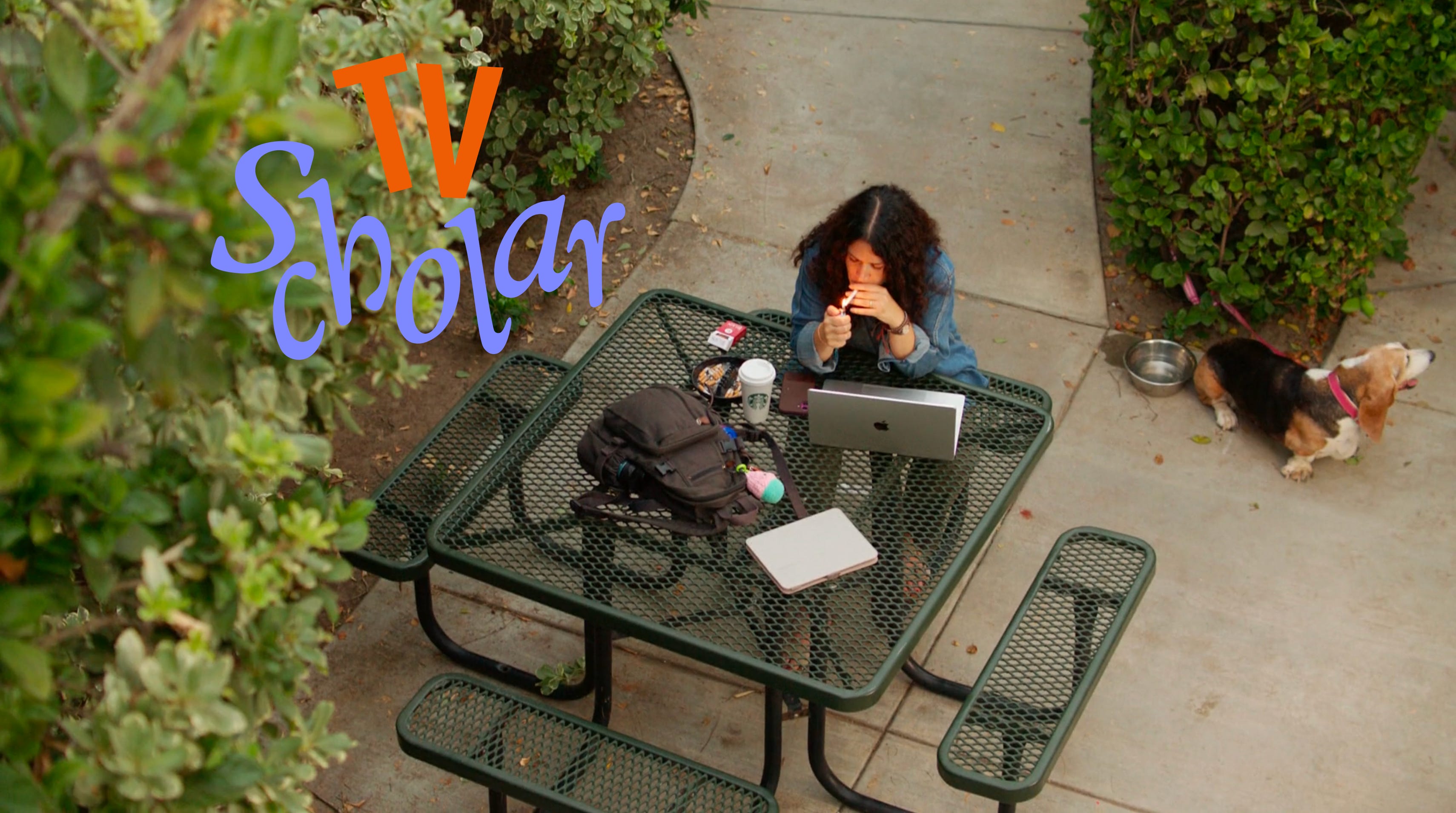
I usually paywall these Reflections newsletters, which address something specific on television that I can’t stop thinking about—but here’s a non-paywalled edition, just for fun. Maybe consider upgrading your subscription if you enjoy it! As a full-time TV critic, paid subscriptions allow me to keep doing this work.
I can’t think of a show that is better capturing the contemporary moment of surveillance than The Comeback’s latest third season. At first, I was confused by the new approach: The first two seasons of the show were filmed in a mockumentary format. The year is 2005, a year after Friends airs its finale, and Lisa Kudrow’s first move post-Phoebe is to partner with Sex and the City showrunner Michael Patrick King to make this little but powerful satirical comedy. The first season ends up being a meditation on Kudrow’s experience on Friends, but also on where a 40-year-old actress belongs in Hollywood after her “prime.” It’s easy to see, by the end of the first season, how wide-reaching The Comeback’s aspirations became.
In The Comeback, Valerie Cherish (Kudrow) is a somewhat well-known sitcom actress who’s trying to make her comeback when she gets cast in a new sitcom, Room and Bored, with a cast of young up-and-coming actors. Jane (Laura Silverman) is an aspiring documentarian who directs a film crew to follow Valerie around, documenting her journey. They set up cameras at her house, and what we see is the unedited footage which eventually gets assembled into a very exploitative reality show that ridicules Valerie.
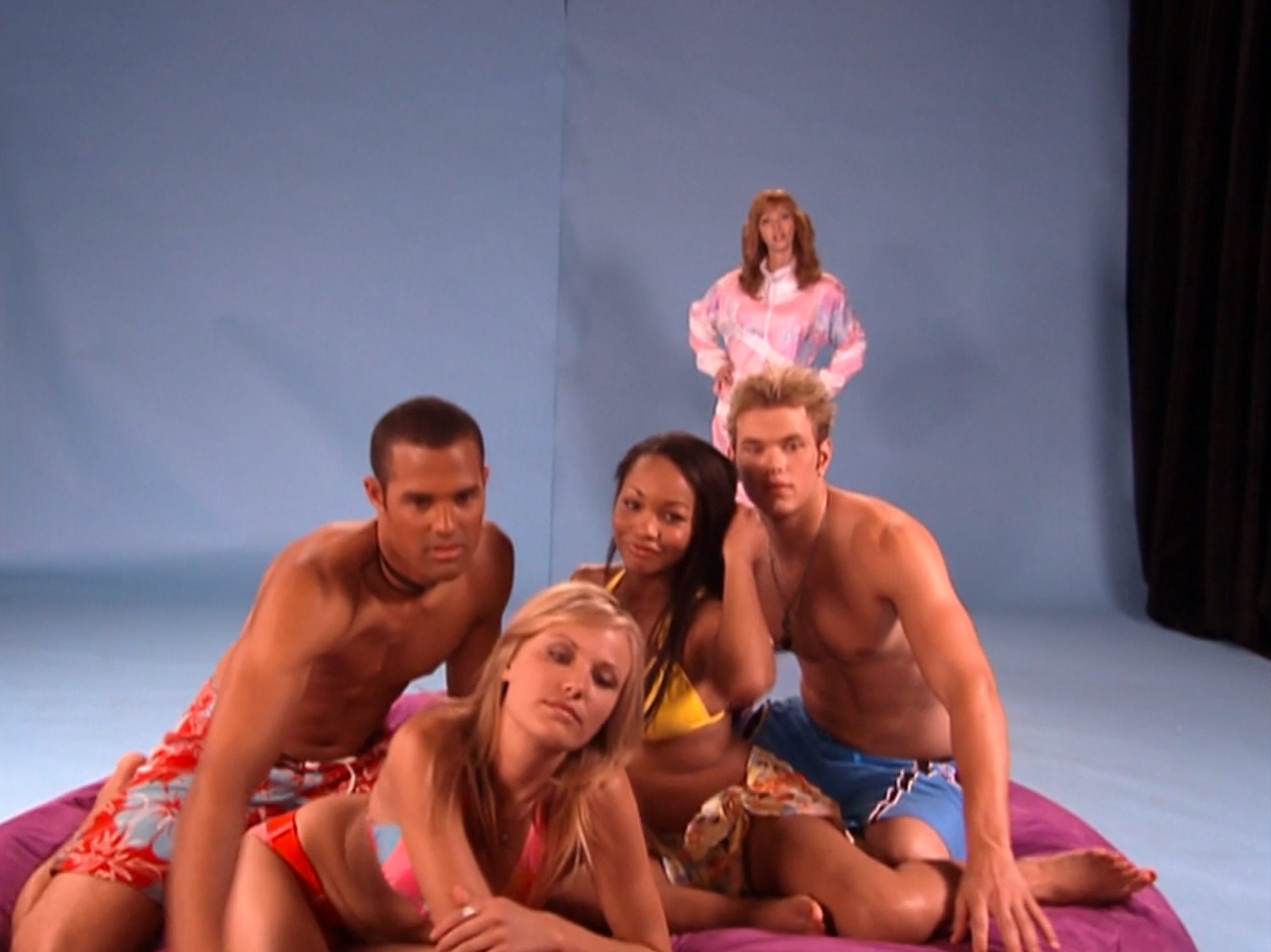
A second season was released ten years later—Valerie’s comeback from her first comeback—in which she stars in a prestigious HBO comedy that is based on her experience on Room and Bored in which she plays herself, from the perspective of one of the sitcom’s writers who tormented Valerie back in the day. Again, Jane returns to film, although this season airs in 2014, far into the cultural explosion of reality television. It’s layers upon layers of self-referential, meta, a tangled web of television satire. As Emily Nussbaum wrote for The New Yorker back in 2014, it’s “a scripted series about a reality series about a reality star making a scripted series about the time she made a reality show about a scripted series. It’s less a hall of mirrors than a kaleidoscope, with each surface reflecting a TV set.”
Through those two seasons, Valerie is constantly pandering to the cameras. The flashes of the “real Valerie” only occur briefly at home and in bed with her husband, when she temporarily forgets there are cameras installed in the bedroom—but those moments are rare and few and far between. Valerie is hyper aware of herself and her image, and most of what she does and says are all under the context of being filmed. She will often say something, then turn to the camera to tell Jane to edit that bit out of the final cut.
This is all blown wide open at the end of the second season, when Valerie leaves the Emmy Awards even if it’s almost certain she’s about to pick up her first award. She rushes to the hospital bed of her beloved gay hair stylist Mickey (Robert Michael Morris, who passed away in 2017). During that scene, for the first time in the series, the camera crew is not with her. Instead, the mockumentary format breaks and we are watching from an omniscient point of view, no shaky handheld camerawork and no Jane lurking in the background. Valerie is quieter, concerned, more human and vulnerable than we’ve seen her before. The moments we see shared between Valerie and Mickey operate outside of the unedited footage; it is off-camera while still being on camera, and extremely effective as a finale.
It’s a perfect case study to place against Erving Goffman’s iconic theories in The Presentation of Self in Everyday Life (1956), which Sam Fujikawa explores in their 2021 article in Articulāte: “By creating such an explicit dichotomy in portrayal between her performance in front of the cameras and behind them, the series points to an often disregarded component of how we all negotiate performance and the construction of self.”
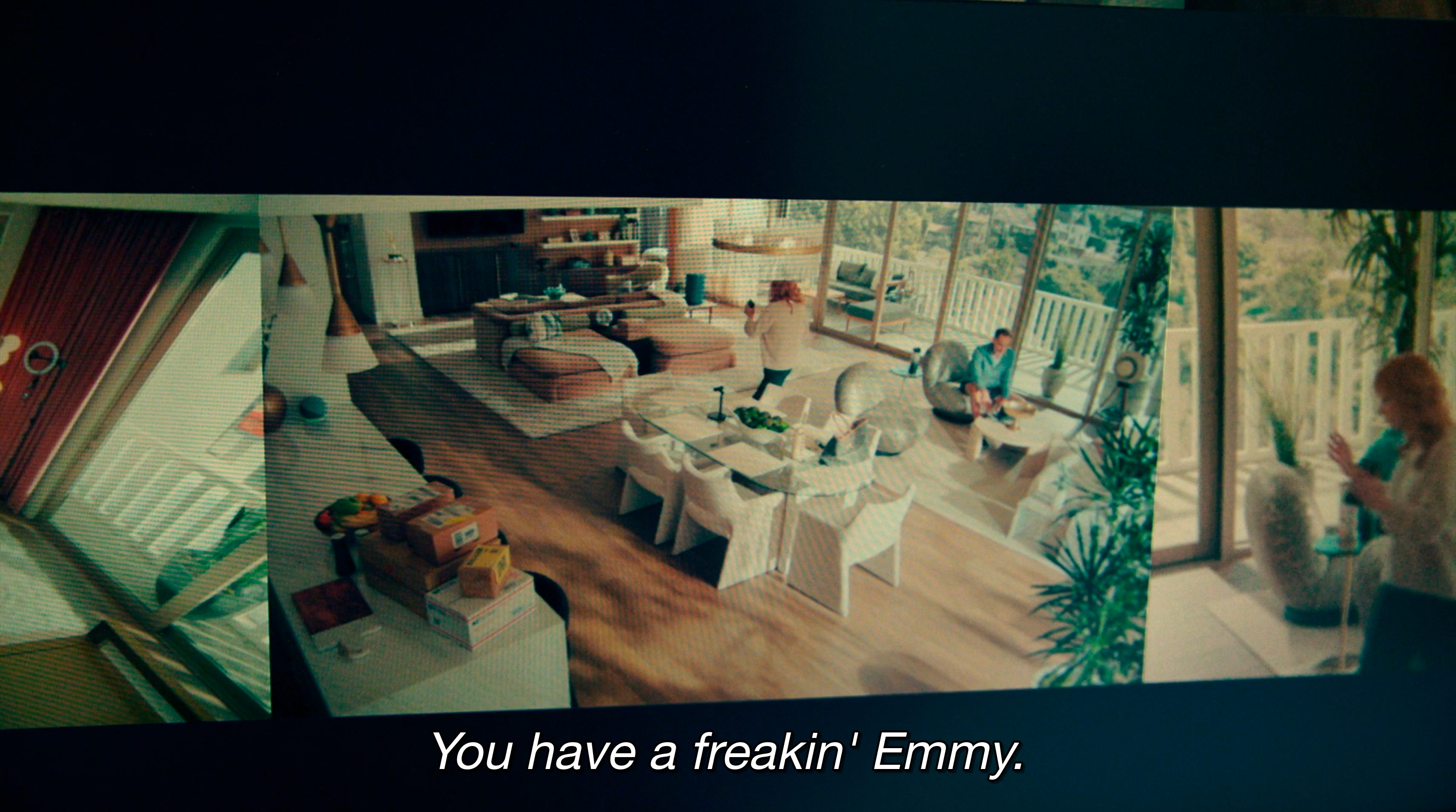
So when season three was announced to premiere this year, I was so curious about the format in which it would be shot. Would Jane return to pick back up where we left off? Would the entire season occur “off-camera”? Or a new approach altogether?
In the end, Kudrow and King decided on a hybrid of all of the above. Scenes are shot from iPhones, Zoom cameras, podcast recordings, professional cameras and vintage devices. Valerie goes viral, watching writers come after her for executive producing a new sitcom written by AI. A shot from a ceiling camera inside the house transitions into the omniscient camera. It’s a choice that is a remarkable departure from its first two seasons, even annoying some Reddit users, but there’s a lot to read into it—especially when we realize Valerie acts pretty much the same from the omniscient perspective.
In The Comeback’s universe, reality and footage have converged. The line has officially blurred between the performance of the self for a camera and reality itself. Filming ourselves and those around us, with or without their consent, has (annoyingly) become ubiquitous in 2026. What’s the point in even distinguishing these different modes on The Comeback when everything is being filmed at high resolution all the time everywhere around us, regardless of which device is doing the filming? Everything is content and content is everything. If it’s not on your iPhone it’s on CCTV footage, drone cameras, webcams, your Alexa secretly listening in on your conversations, the possibility that at any point, any time, you are being recorded, photographed, captured. Unless you’re escaping into the mountains without any devices, are we truly ever offline? Once again, Kudrow and King are 10 steps ahead.
I am so online, in a way that is mostly necessary for my work, that I have begun losing track of what used to be a more distinct on/offline separation. I might logically and intellectually understand that there is more to what I see online—but when I look at my situationship that dumped me’s Instagram (which I shouldn’t be doing in the first place!) and see him posting away, I emotionally process it as: He’s living happily without me and he doesn’t care that he hurt me. Or when I see the various marriage proposal posts and the endless joy and successes, I completely understand no one is posting about the hard shit, but the convergence of our online and offline lives has led to emotional instincts that somehow overrule a critical gaze. And that’s all not to mention the surveillance capitalism of it all, a whole can of worms, or the fact that young people aren’t dancing at the club because they’re scared of getting recorded. How sad! Truly Michel Foucault’s theories of the panopticon as social control brought to life.
The Comeback’s series finale airs this Sunday and I’m eager to see how it ends, and even more eager to rewatch it in 5 years, realizing it once again found a way to capture our moment brilliantly.
on tvscholar’s nightstand:
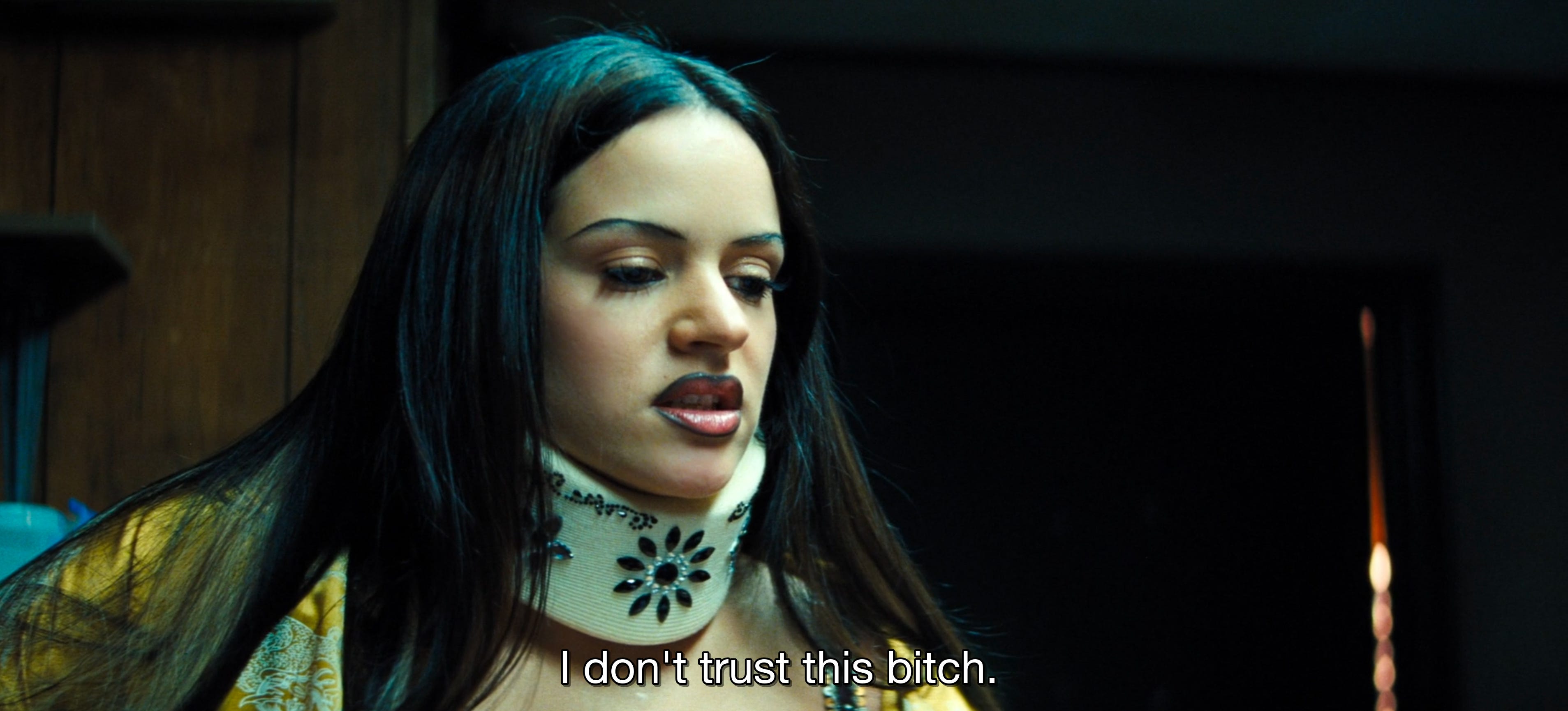
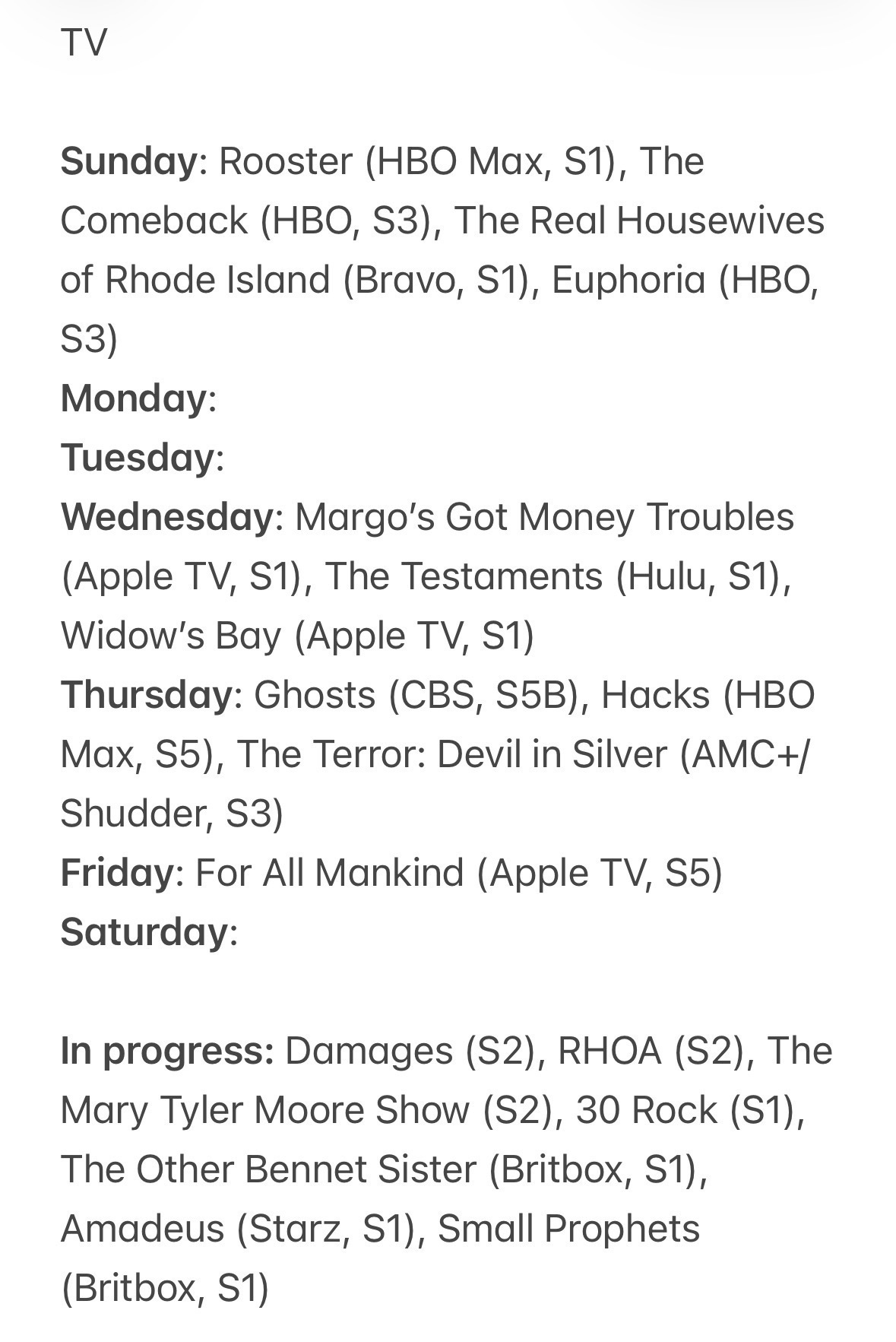
watching: Somehow, I’ve been commissioned by like four publications to write various pieces on Dutton Ranch, which premieres next week. I don’t know how I ended up being the gay go-to Taylor Sheridan critic, especially since I think most of his shows are very bad, but hey, I have rent to pay! I’ll take it. Here’s what else is on the docket now that the broadcast TV season is over (Half Man not included since I’ve watched the whole season already):
reading: I’ve picked up a bunch of research books recently, but I’m so excited to dig into Single: Arguments for the Uncoupled by Michael Cobb, which has a screen grab from Sex and the City in its introduction.
listening: As a so sad so sexy truther, I am of course listening to Lykke Li’s new album. I was also at Rochelle Jordan’s recent show in Vancouver, which was unreal (I am always saying, I just need a “Sweet Sensation”). And Kelela is back, which is very important to me.
eating: I am moving at the end of the month so I’m mostly trying to use up any non-perishables I have around to make my packing process a bit easier…tell me why do I have three boxes of spaghetti for no reason? Come over if you’d like to carb load with me.
movieing: I went to see Erupcja at the VIFF Centre (I love their festival and their year-long programming!) and realized it’s the fifth Charli XCX film I’ve seen this year. I love supporting my close personal friend.
" It’s layers upon layers of self-referential, meta, a tangled web of television satire."
SAY NO MORE. I stopped reading, but I'll come back to this. Thanks for letting me know what to watch, what would I do without TV Scholar?
The writer that you are 🥹❤️